
A properly functioning garage door relies on several components working together, and the spring system plays one of the most important roles. Garage door springs help counterbalance the door’s weight, allowing it to open and close smoothly without putting excessive strain on the opener. When a spring breaks, the entire system can become difficult and dangerous to operate. Understanding what happens when a garage door spring breaks can help homeowners avoid additional damage and determine when professional garage door spring repair is necessary.
We turned to the experts at Connecticut Garage Doors to discuss whether a garage door can still work with a broken spring, what happens to the opener when a spring fails, the warning signs homeowners should look for, and how to handle a broken garage door spring safely.
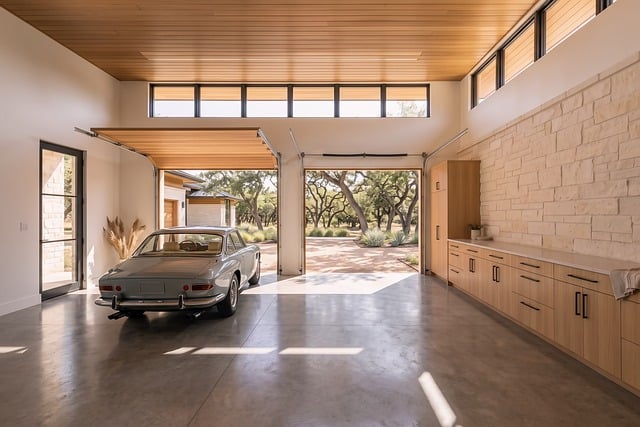
Will a Garage Door Still Work with a Broken Spring?
Technically, a garage door opener may still activate when a spring is broken, but the door should not be operated. The springs are responsible for counterbalancing most of the garage door’s weight, allowing the opener to guide its movement rather than lift the entire load on its own. Without a functioning spring system, the door can become extremely heavy and unstable. Even if the motor attempts to lift it, the door may stop moving, become uneven, or fall suddenly. Here are some things that can happen when a garage door spring breaks:
- The Garage Door Opener May Become Damaged – Operating a garage door with a broken spring places excessive strain on the opener’s motor, gears, drive mechanism, and other components. A motor that continues attempting to lift an unbalanced door may overheat or suffer mechanical damage. What could have been a straightforward garage door spring replacement may turn into a more expensive repair involving the opener as well.
- The Door May Move Unevenly – Garage doors with paired spring systems can become unbalanced when one spring breaks. The remaining spring is generally not designed to support the entire load by itself. This can place additional stress on the cables, rollers, tracks, and other hardware, potentially affecting the overall operation and stability of the door.
- The Garage Door May Refuse to Open – One of the most common problems associated with a broken garage door spring is that the door becomes too heavy for normal operation. The garage door opener is designed to work with a properly balanced door, not lift its entire weight independently. As a result, the door may remain closed even when the motor is running or responding to the remote control.
- The Garage Door May Become Stuck Halfway – In some situations, the opener may initially move the door a few inches before stopping because it encounters resistance. A door with a broken spring may also become uneven or jam inside its tracks. Continuing to operate the system can increase the risk of additional mechanical damage.
- The Garage Door May Fall Unexpectedly – Garage door springs help control the door’s movement and prevent its weight from overwhelming the lifting system. When a spring breaks, that counterbalancing support is lost. If the door is already open or partially raised, it may fall suddenly, creating a serious risk of injury or property damage.
What Are the Signs of a Broken Garage Door Spring?
Recognizing the warning signs of a broken garage door spring can help homeowners identify the problem before additional damage occurs. Although some symptoms can resemble other garage door problems, certain indicators are particularly common when a spring fails.
- A Visible Gap in the Spring – One of the clearest signs of a broken torsion spring is a visible separation between the coils. Torsion springs are usually mounted above the garage door opening, while extension springs are typically positioned along the sides of the horizontal tracks. Homeowners can look for visible damage from a safe distance without touching the springs or surrounding hardware.
- The Garage Door Feels Extremely Heavy – When a spring breaks, the door loses the counterbalancing support that normally makes it easier to lift. The garage door may become noticeably heavier than usual, although homeowners should not attempt to lift it to confirm the problem.
- A Loud Banging Noise – A broken torsion spring can produce a sudden, loud popping or banging sound that resembles something heavy falling inside the garage. This often happens when the spring snaps under tension. Homeowners may hear the noise even when they are not actively operating the garage door.
- The Garage Door Appears Crooked or Uneven – If one spring breaks in a system with two springs, the door may lose its balance and appear uneven. It may also become misaligned within its tracks, making normal operation unsafe.
- The Garage Door Opener Makes Unusual Noises – A garage door opener may produce humming, straining, or grinding sounds when attempting to operate a door with a broken spring. These noises can indicate that the motor is struggling against the additional weight. Homeowners should stop using the opener rather than repeatedly pressing the remote control.
What Should You Do If Your Garage Door Spring Breaks?
Although a broken spring may seem like a relatively minor repair, it can create serious safety risks if handled incorrectly. If your garage door spring breaks, the most important thing to do is stop operating the door and keep people and pets away from the damaged system. Avoid attempting to repair or replace the spring yourself, as garage door springs are under significant tension and can cause severe injuries. Instead, contact a qualified garage door technician who can inspect the system, replace the damaged components, and ensure that the door is operating safely.
In conclusion, a garage door may still respond to its opener when a spring breaks, but it should never be operated until the spring has been professionally replaced. A professional garage door technician can help diagnose the problem, replace the damaged spring, and restore your garage door to safe and reliable operation.
Written by Connecticut Garage Doors, your local garage doors and gate technician in Garage Door Services in Bridgeport, CT, Garage Door Services in Stamford, CT, Garage Door Services in Waterbury, CT, Garage Door Services in Norwalk, CT, Garage Door Services in Danbury, CT, Garage Door Services in Greenwich, CT, Garage Door Services in West Hartford, CT, Garage Door Services in Fairfield, CT, Garage Door Services in Manchester, CT, Garage Door Services in Milford, CT, Garage Door Services in Middletown, CT, Garage Door Services in Shelton, CT, Garage Door Services in Norwich, CT, Garage Door Services in Groton , CT, Garage Door Services in Trumbull, CT, Garage Door Services in New London, CT, Garage Door Services in Newtown, CT, Garage Door Services in Westport, CT, Garage Door Services in Ridgefield, CT, Garage Door Services in New Canaan, CT, Garage Door Services in Ansonia, CT, Garage Door Services in Monroe, CT, Garage Door Services in Stonington, CT, Garage Door Services in Derby, CT and Garage Door Services in Darien, CT.